
The Essential Components and Functionality of Blockchain
Part 2: Generic Elements and Functionality
I'm a Senior Software Engineer with a keen interest in IoT, AI, Blockchain, and Data Communication Networks. I work on projects that integrate these technologies to create innovative solutions.
Introduction
Blockchain technology has revolutionized the way we think about digital transactions and data integrity. At its core, a blockchain is a decentralized and distributed ledger that ensures security, transparency, and immutability. Understanding the fundamental components of a blockchain is essential for anyone looking to delve into this transformative technology. This is the second part of the Blockchain Introduction series, you can find the first part here. In this blog post, we'll explore the generic elements that make up a blockchain, providing a handy reference for those new to the field or needing a refresher.
Generic Elements of a Blockchain
One of the main elements of a blockchain (as the name suggests) is the Block. We can visualize the block for a better understanding as follow:

So a Generic Block includes:
Previous Block Hash: A reference to the previous block, providing a chain structure, except for the genesis block, which is the first block hard coded when the blockchain is started.
Nonce: A unique number used once, essential in cryptographic operations for replay protection and authentication, particularly in Proof of Work (PoW) consensus algorithms.
Timestamp: The creation time of the block.
Merkle Root: A hash representing all the transactions in the block, enabling efficient and secure verification of the entire block's transactions.
Block Body: Contains the transactions that make up the block. The size of the block can vary based on the blockchain type; for instance, Bitcoin's block size is limited to one megabyte.
The second element is the Transaction. This is the basic unit of a blockchain, representing the transfer of value from one address to another. The next element is the Address. These are unique identifiers used in blockchain transactions to denote senders and recipients. Typically, an address is a public key or derived from one. We can also visualize a simple chain to gain a better understanding:

Beyond the core components, a blockchain includes several other critical attributes that enhance its functionality:
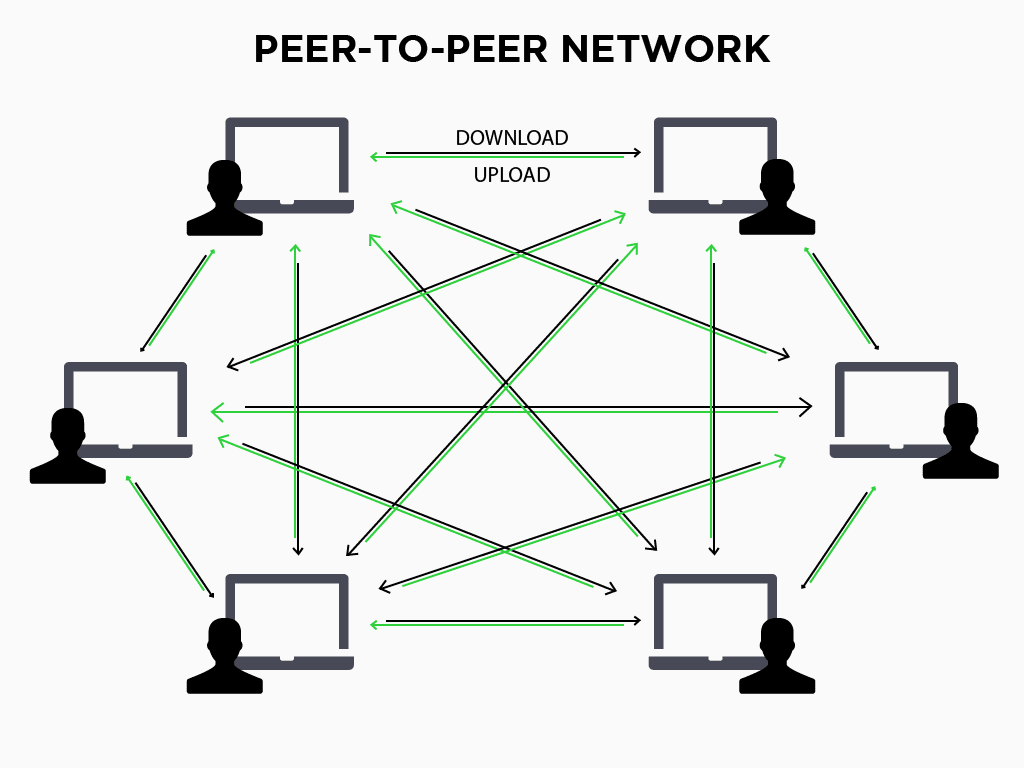
Peer-to-Peer Network: This network topology allows all peers to communicate directly, sending and receiving messages without intermediaries.
Scripting or Programming Language: Scripts or programs perform operations on transactions to facilitate various functions. For instance, Bitcoin uses a language called Script, which allows essential operations but does not support arbitrary program development.
Virtual Machine (VM): Extending transaction scripts, VMs enable Turing-complete code to run on a blockchain, facilitating smart contracts. Not all blockchains support VMs. Examples include the Ethereum Virtual Machine (EVM) and the Chain Virtual Machine (CVM).
State Machine: A blockchain operates as a state transition mechanism, where the state is modified through transaction execution by nodes on the network.
Smart Contracts: These programs encapsulate business logic, automatically executing when certain conditions are met. They are enforceable and highly desirable for their flexibility and power in applications such as identity management, capital markets, trade finance, and e-governance.
Node: Nodes in a blockchain network have various roles, including proposing and validating transactions, performing mining, and ensuring consensus. They can also perform simple payment verification and transaction signing, proving ownership of assets through private keys.
Blockchain Functionality
Let’s walk through the general scheme of how a blockchain validates transactions and creates and adds blocks to the blockchain:
Transaction Initiation:
A node initiates a transaction by creating it and digitally signing it with its private key.
A transaction can represent various actions, most commonly the transfer of value between users on the blockchain network.
The transaction data structure typically includes the logic of the transfer, relevant rules, source and destination addresses, and other validation information.
Transactions are usually either a cryptocurrency transfer or a smart contract invocation.
Transaction Validation and Broadcast:
The transaction is propagated to other peers using data-dissemination protocols, such as the Gossip protocol.
Peers validate the transaction based on preset validity criteria before broadcasting it further.
Finding a New Block:
Validated transactions are included in a block by special participants called miners.
Miners start the process of mining, racing to finalize the block by solving a mathematical puzzle or fulfilling the requirements of the consensus mechanism.
New Block Found:
Once a miner solves the puzzle, the block is considered "found" and finalized.
The transaction is now considered confirmed.
In cryptocurrency blockchains like Bitcoin, the miner is rewarded with a certain number of coins as an incentive for their effort.
Adding the New Block to the Blockchain:
The newly created block is validated, and the transactions or smart contracts within it are executed.
The block is propagated to other peers, who also validate and execute it.
The block becomes part of the blockchain (ledger), with the next block cryptographically linking back to it via a hash pointer.
Conclusion
Understanding how a blockchain works is crucial for appreciating the details of this technology. From transaction initiation to block validation and propagation, each step ensures the security, transparency, and immutability of the blockchain. As we explore specific blockchain implementations like Bitcoin and Ethereum, these basic concepts will provide a solid foundation for deeper insights into blockchain functionality.
The main reference for this blog post is Mastering Blockchain: Inner workings of blockchain, from cryptography and decentralized identities, to DeFi, NFTs and Web3, Fourth Edition