
What is Blockchain? A Simple Introduction
Part 1: Definition and Architecture
I'm a Senior Software Engineer with a keen interest in IoT, AI, Blockchain, and Data Communication Networks. I work on projects that integrate these technologies to create innovative solutions.
Introduction
Blockchain technology has revolutionized the way we think about data security, transparency, and decentralization. Originally devised as the backbone for Bitcoin, the first cryptocurrency, blockchain's potential reaches far beyond digital currencies. This blog post aims to demystify the basics of blockchain, exploring its fundamental architecture and providing a clear definition. Whether you're a tech enthusiast or a curious beginner, join us as we delve into the intricate yet fascinating world of blockchain technology, uncovering how it works and why it's poised to transform various industries.
Definitions
There are various definitions, but two are widely accepted:
Layman's definition: Blockchain is an ever-growing, secure, shared record keeping system in which each user of the data holds a copy of the records, which can only be updated if a majority of parties involved in a transaction agree to update.
Technical definition: Blockchain is a peer-to-peer, distributed ledger that is cryptographically secure, append-only, immutable (extremely hard to change), and updateable only via consensus among peers.
In the technical definition, some keywords have deep meanings, including peer-to-peer, distributed ledger, cryptographically secure, append-only, and updateable via consensus. These are the main features of blockchain.
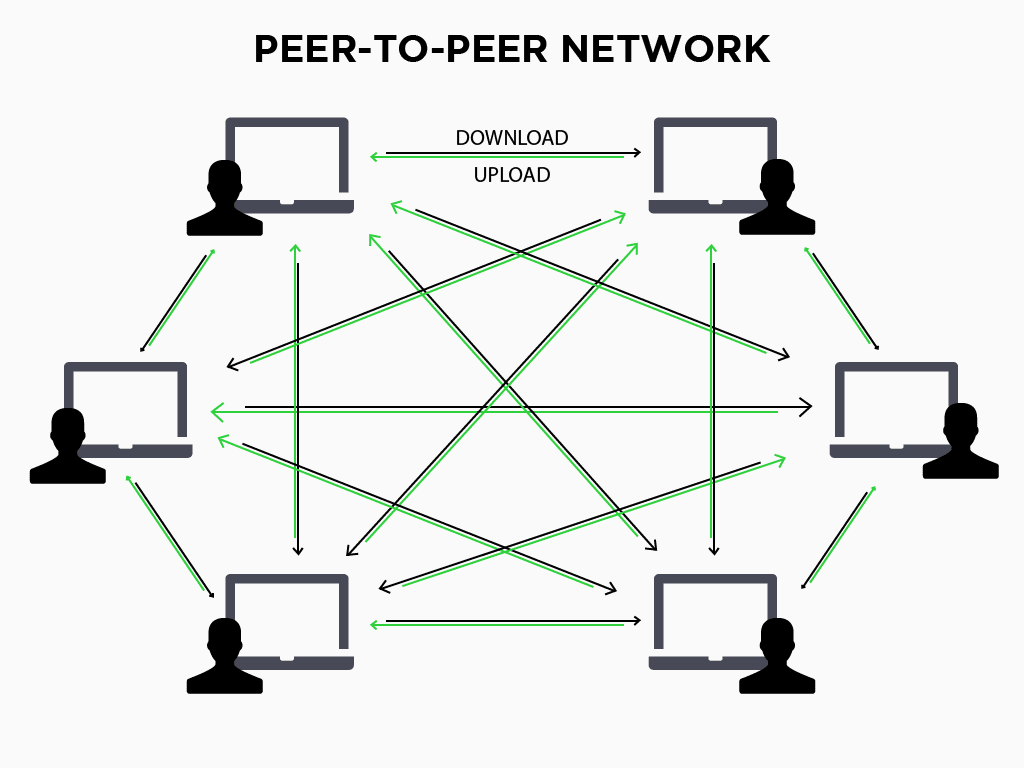
Peer-to-peer: peer-to-peer (P2P) refers to a decentralized network architecture where each participant (or node) interacts directly with others without the need for a central authority.
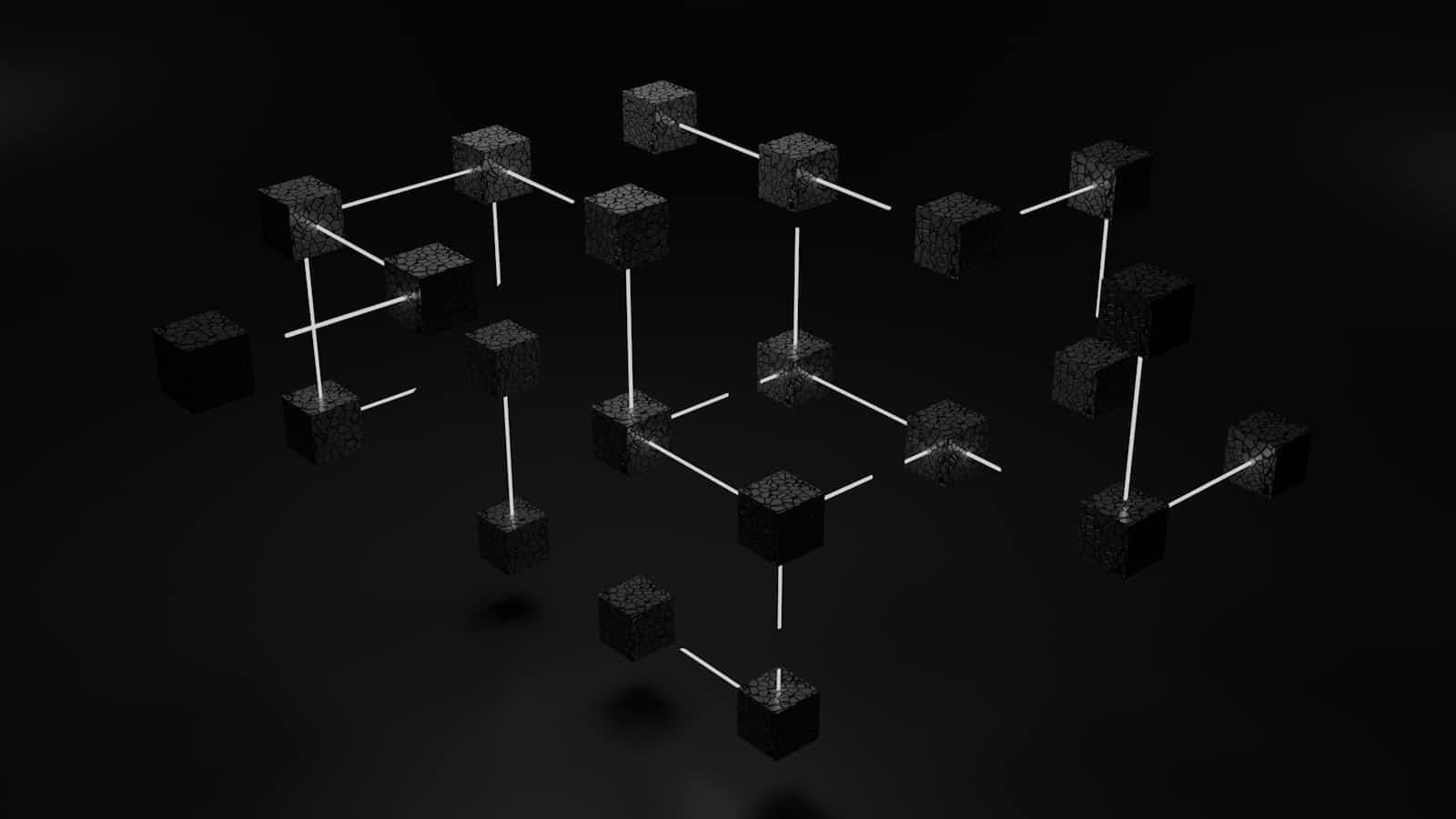
Distributed Ledger: A distributed ledger is a digital database that is shared and synchronized across a network of multiple nodes, or participants. Unlike traditional centralized databases, where data is stored and controlled by a single entity, a distributed ledger distributes data across all nodes in a decentralized manner. Each node independently maintains an identical copy of the ledger.
Cryptographically Secure: It means that cryptography has been used to provide security services that make this ledger secure against tampering and misuse. It refers to the robustness of cryptographic techniques employed to ensure the integrity, authenticity, and privacy of data and transactions within the blockchain network.
Append-Only: The "append-only" feature in the context of blockchain refers to the fundamental principle that once data (such as transactions or blocks) is added to the blockchain, it cannot be altered, removed, or tampered with retroactively.
A blockchain can be altered in rare cases where bad actors collude and gain more than 51% control of the network.
- Updateable via Consensus: This means changes to the blockchain are made through agreement among network participants. Unlike centralized systems, blockchain updates are governed by decentralized mechanisms. All nodes must agree on changes, ensuring integrity and security. It allows the blockchain to evolve and adapt while staying decentralized and trustworthy.
Architecture
Understanding blockchain technology starts with exploring its layered architecture, similar to uncovering the details of a complex digital system. At its core, blockchain works within a well-organized framework that uses decentralized networks and cryptographic security. Let's look into each layer of this fascinating design:
|---------------|
|  Application  |
|---------------|
|   Execution   |
|---------------|
|   Consensus   |
|---------------|
| Cryptography  |
|---------------|
|      P2p      |
|---------------|
|    Network    |
|---------------|
Network Layer: At the foundation lies the network layer, the backbone that connects nodes across the globe. This layer leverages the Internet's infrastructure to facilitate peer-to-peer (P2P) communication among blockchain participants.
P2P Layer: A P2P (peer-to-peer) network runs on top of the Network layer, which consists of information propagation protocols such as gossip or flooding protocols.
Cryptography Layer: Securing the blockchain's integrity is the cryptography layer, where advanced mathematical algorithms play a pivotal role. Cryptographic techniques like hashing, digital signatures, and encryption safeguard transactions and data against tampering and unauthorized access. These mechanisms ensure transparency and trust in an inherently trustless environment.
Consensus Layer: Above the cryptography layer is the consensus layer, where network nodes agree on the validity and order of transactions. This crucial part of the blockchain architecture includes techniques like State Machine Replication (SMR), proof-based consensus mechanisms, and Byzantine fault-tolerant consensus protocols from traditional distributed systems research.
Execution Layer: The Execution layer includes virtual machines, blocks, transactions, and smart contracts. This layer handles key functions on the blockchain, such as processing transactions, running smart contracts, and creating new blocks. Virtual machines like the Ethereum Virtual Machine (EVM), Ethereum WebAssembly (ewasm), and Zinc VM offer the environments needed to execute smart contracts securely and efficiently.
Application Layer: At the Application layer, we find smart contracts, decentralized applications (dApps), DAOs (Decentralized Autonomous Organizations), and autonomous agents. This layer contains various user-facing entities and software that operate within the blockchain ecosystem. It's where users interact directly with decentralized applications, taking advantage of the innovative features provided by blockchain technology.
Conclusion
In conclusion, blockchain's layered design promotes innovation in various fields, from supply chains to digital identity. Understanding its architecture and principles shows its potential to change our digital future with decentralized, transparent, and secure solutions. Embrace the evolution of blockchain technology, where each layer plays a part in this transformative revolution.